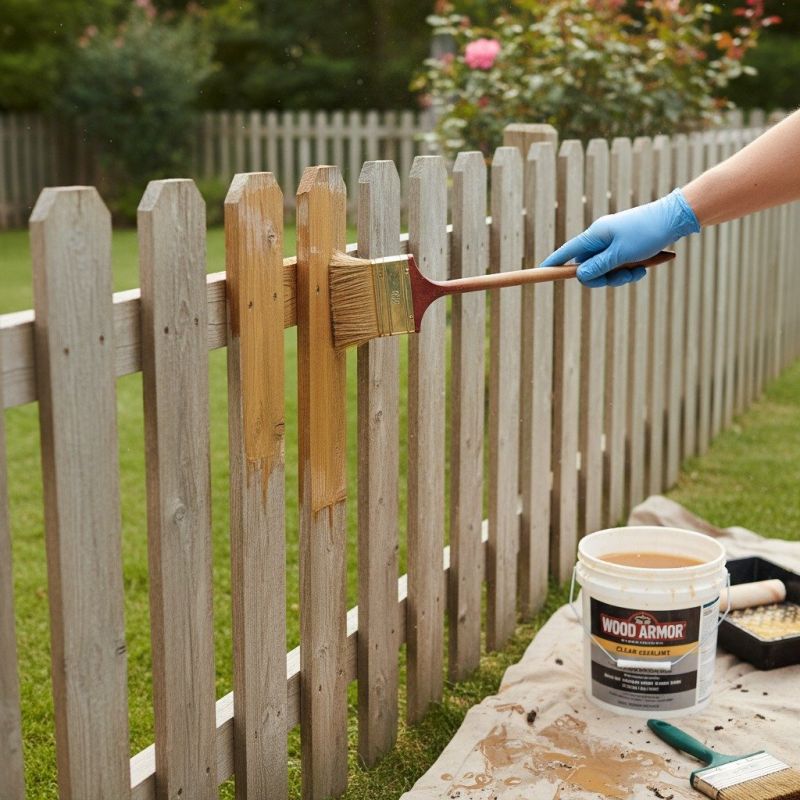
Fence Sealing in Puyallup, WA
Fence sealing services involve applying protective treatments to existing fences to help prevent damage from moisture, UV rays, and other environmental factors. This process is suitable for a variety of fencing materials, including wood, vinyl, and composite, and is often requested for projects aiming to extend the lifespan and maintain the appearance of fences around residential properties. Homeowners typically want to understand the types of sealants used, how often sealing should be performed, and whether the service is appropriate for their specific fence material and condition before requesting a quote.
Property owners considering fence sealing should consider the current state of their fence, including signs of wear, weathering, or moisture issues. It’s important to know if the fence requires cleaning or repairs prior to sealing, and to understand the benefits of regular maintenance in protecting their investment. Clarifying these details can help ensure that the sealing service will be effective and suited to the specific needs of the fence, contributing to its durability and visual appeal over time.
Many property owners in Puyallup, WA look into Fence Sealing for repairs, replacements, upgrades, and appearance-related improvements.
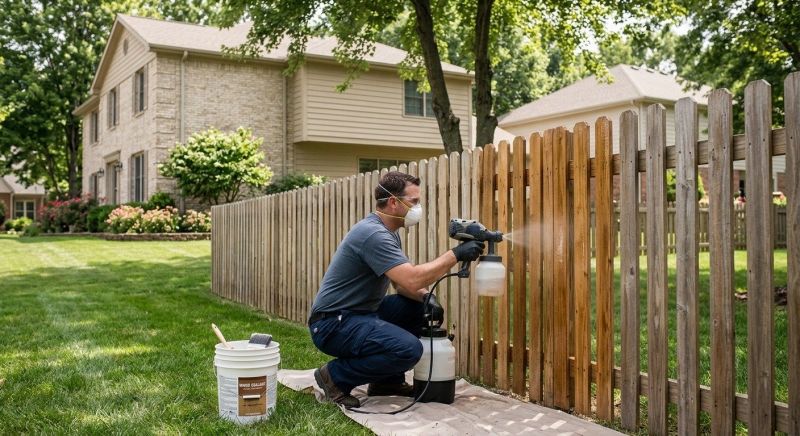
Protecting Your Fence
Sealing helps prevent water damage and extends the lifespan of your fence.
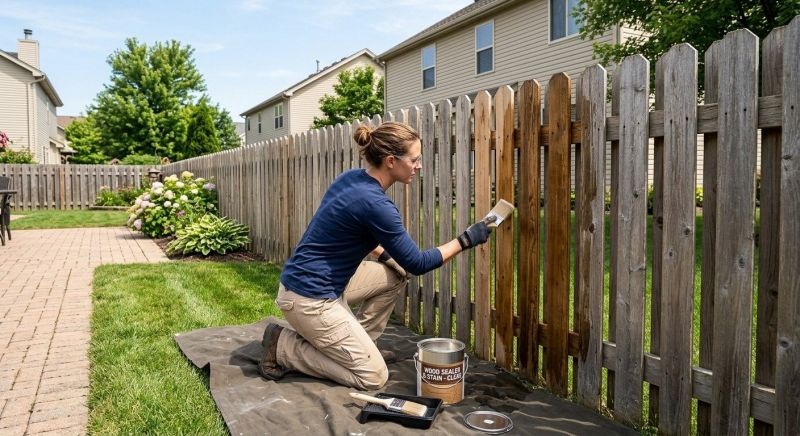
Enhancing Curb Appeal
A well-sealed fence maintains its appearance and boosts the value of your property.
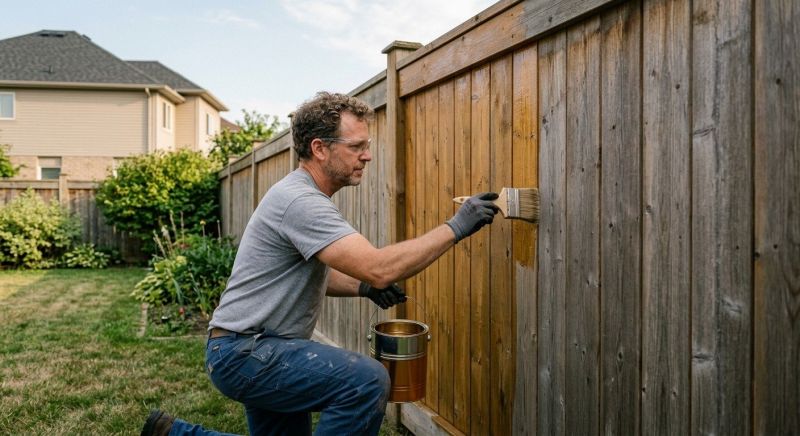
Maintaining Fence Integrity
Regular sealing reduces cracking, warping, and rot, especially in puyallup's climate.
Fence Sealing in Puyallup, WA
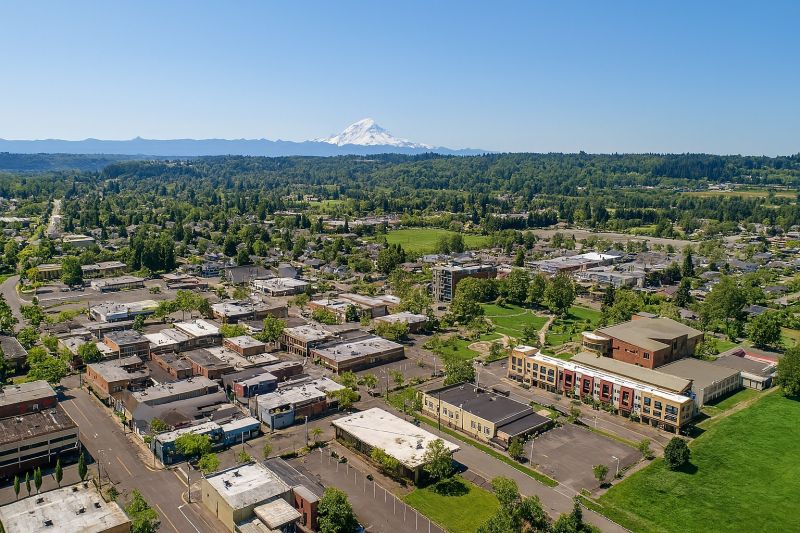
Fence sealing services involve applying protective treatments to existing fences to help prevent damage from moisture, UV rays, and other environmental factors. This process is suitable for a variety of fencing materials, including wood, vinyl, and composite, and is often requested for projects aiming to extend the lifespan and maintain the appearance of fences around residential properties. Homeowners typically want to understand the types of sealants used, how often sealing should be performed, and whether the service is appropriate for their specific fence material and condition before requesting a quote.
Property owners considering fence sealing should consider the current state of their fence, including signs of wear, weathering, or moisture issues. It’s important to know if the fence requires cleaning or repairs prior to sealing, and to understand the benefits of regular maintenance in protecting their investment. Clarifying these details can help ensure that the sealing service will be effective and suited to the specific needs of the fence, contributing to its durability and visual appeal over time.
Many property owners in Puyallup, WA look into Fence Sealing for repairs, replacements, upgrades, and appearance-related improvements.
Common Fence Sealing Jobs
Wooden fences - sealing helps protect wood from moisture and prolongs their lifespan.
Vinyl fences - sealing prevents dirt buildup and maintains a clean appearance.
Chain-link fences - sealing reduces rust and corrosion over time.
Privacy fences - sealing shields surfaces from weather damage and UV fading.
Picket fences - sealing preserves paint or stain finishes and prevents warping.
Decorative fences - sealing enhances appearance while providing weather resistance.

Fence Sealing Questions
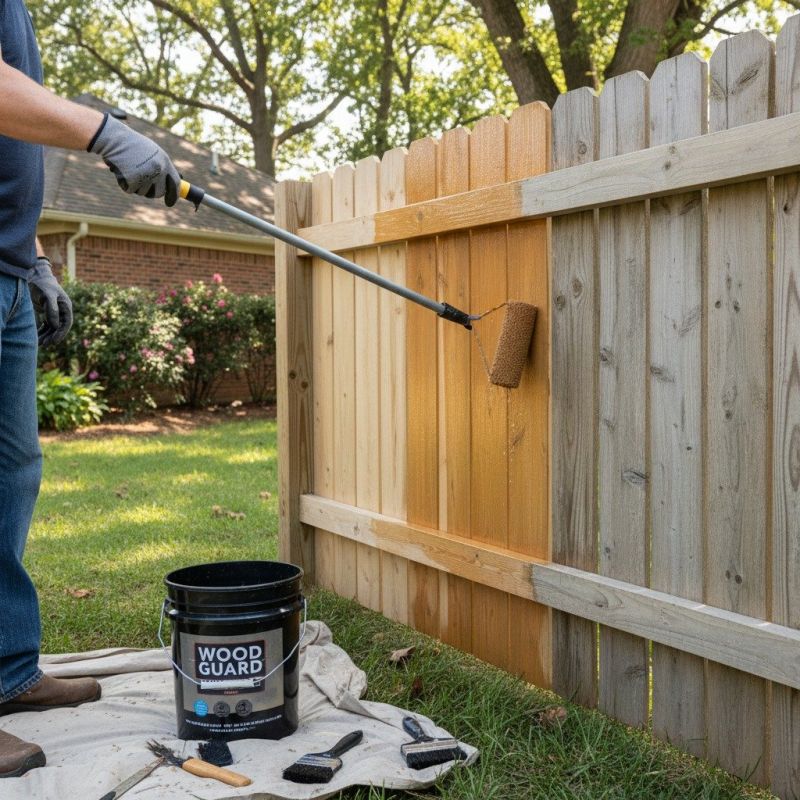
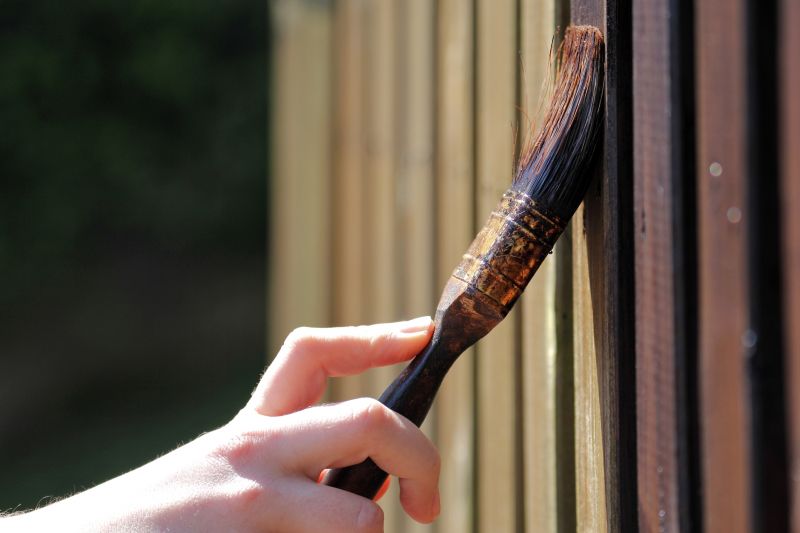
What is fence sealing? Fence sealing involves applying a protective coating to help preserve the wood and prevent damage from moisture and UV rays.
Why should a fence be sealed? Sealing extends the lifespan of a fence by reducing weather-related wear and maintaining its appearance.
What types of fences benefit from sealing? Wooden fences, especially those exposed to the elements, are ideal candidates for sealing to protect against rot and decay.
How often should a fence be sealed? Generally, fences should be sealed every 1-3 years, depending on weather conditions and the type of sealant used.
Request Fence Sealing in Puyallup, WA
Use the quote form on this page to share the basics of your project and request more information for the type of work you need.